Home
Products
Emulsifier List
Application
Gallery
News
Blog
About Us
About Us
Contact Us
Your Position : Home > Blog

What Emulsifiers Are Used in Chewing Gum

Date:2024-07-19
Read:
Share:
Chewing gum has been a popular treat for many years, enjoyed by people of all ages around the world. One of the key factors in creating the perfect chewing gum is the use of emulsifiers. These additives help to stabilize mixtures and ensure a smooth, consistent texture. In this article, we will explore the role of emulsifiers in chewing gum, focusing on Mono- and Diglycerides, Lecithin, and Acetem. We'll discuss their characteristics, functions, and why they are essential in chewing gum production.
 

What are Emulsifiers?


Emulsifiers are substances that help to blend two or more ingredients that typically don't mix well together, such as oil and water. In the context of chewing gum, emulsifiers ensure that the various components of the gum stay mixed, providing a uniform texture and consistent flavor.


Key Emulsifiers Used in Chewing Gum


1. Mono- and Diglycerides E471
2. Lecithin
3. Acetem (Acetic Acid Esters of Mono- and Diglycerides) E472a


Mono- and Diglycerides (DMG)


Characteristics
- Derived from glycerol and natural fatty acids.
- Often found in both liquid and solid forms.
- Tasteless and odorless.

Functions in Chewing Gum
Mono- and Diglycerides are widely used in chewing gum for several reasons:
Texture Improvement: They help to maintain a soft and pliable texture, preventing the gum from becoming hard or brittle over time.
Flavor Distribution: These emulsifiers ensure even distribution of flavoring agents, enhancing the taste experience.
Moisture Retention: They aid in retaining moisture within the gum, which is crucial for maintaining chewiness.

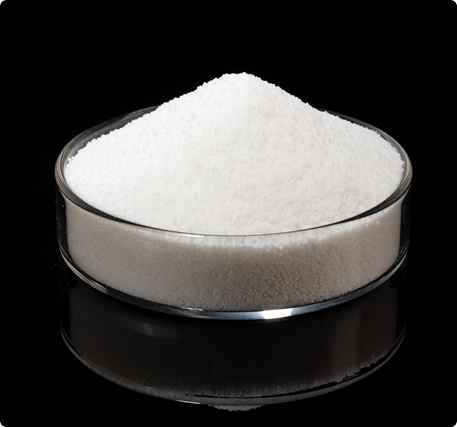
Mono- and Diglycerides dmg emulsifier in chewing gum
Lecithin


Characteristics
- Naturally found in soybeans, eggs, and sunflower seeds.
- Available in liquid, granules, and powder forms.
- Mild, slightly nutty flavor.

Functions in Chewing Gum
Lecithin is another popular emulsifier in chewing gum production due to its natural origin and effective properties:
Blending Agent: Lecithin helps in blending fats with water-based ingredients, ensuring a uniform mixture.
Anti-Stick Properties: It acts as a releasing agent, preventing the gum from sticking to the wrapper or packaging.
Texture Enhancement: It contributes to a smooth and pleasant texture, making the gum enjoyable to chew.


Acetem (Acetic Acid Esters of Mono- and Diglycerides)


Characteristics
- Produced by reacting acetic acid with mono- and diglycerides.
- Typically available as a solid, waxy substance.
- Neutral taste and odor.

Functions in Chewing Gum
Acetem is particularly useful in the food industry for its emulsifying properties:
- Stabilization: Acetem helps to stabilize the mixture of ingredients, ensuring that the gum does not separate over time.
- Consistency: It contributes to a consistent texture, making sure that every piece of gum has the same quality and chewability.
- Shelf Life Extension: By stabilizing the product, Acetem helps to extend the shelf life of chewing gum, keeping it fresh for longer periods.


Why Emulsifiers are Essential in Chewing Gum


The use of emulsifiers in chewing gum is crucial for several reasons:
Uniformity: They ensure that all ingredients are evenly distributed, resulting in a consistent product.
Texture: Emulsifiers help to achieve the desired texture, making the gum soft, pliable, and enjoyable to chew.
Stability: They prevent the separation of ingredients, maintaining the quality of the gum over time.
Flavor: Emulsifiers ensure that flavoring agents are evenly dispersed, providing a consistent taste experience.


Why Emulsifiers are Essential in Chewing Gum

Final Thoughts


Emulsifiers such as Mono- and Diglycerides, Lecithin, and Acetem play an indispensable role in the production of chewing gum. They contribute to the texture, stability, and flavor of the gum, ensuring a high-quality product that consumers enjoy. By understanding the functions and benefits of these emulsifiers, manufacturers can continue to produce delicious and enjoyable chewing gum that meets consumer expectations.

Whether you’re the owner of a chewing gum factory or just want to start your chewing gum business, CHEMSINO will be your best choice. We provide a full range of chewing gum emulsifiers with high quality, in stock and fast delivery. Besides, all our products enjoy international ISO, Halal, and Kosher certificates. Contact our experts to start your business today!  
Related Blog
What to Know About Propylene Glycol in Foods
10 Apr 2024
Propylene glycol is produced industrially through the hydration of propylene oxide. It has almost no taste and is a chemically synthesized food additive, belonging to the alcohol class of substances, similar to ethanol. Propylene glycol e1520 is widely used in various industries such as food, pharmaceuticals, cosmetics, tobacco, and others. This is because it possesses properties like stabilizing, solidifying, anticaking, defoaming, emulsifying, humectant, and thickening. These properties make it valuable for a range of applications in these industries.
Mono-Propylene Glycol vs Propylene Glycol
22 Sep 2025
When sourcing ingredients for food, cosmetics, or pharmaceuticals, it’s easy to confuse Mono Propylene Glycol (MPG) with Propylene Glycol (PG). Although they share a similar chemical base, their grades, purity levels, and uses are not the same. This guide explains what each term means, how they differ, and how to select the right one for your application.
Polysorbate 20 Emulsifier: From Cosmetics to Culinary Uses
28 Aug 2024
Polysorbate 20 is a multifunctional emulsifier renowned for its ability to stabilize and solubilize mixtures in various industries. Its broad applications span from food and skincare to pharmaceuticals and industrial processes. In this blog post, we examined the diverse uses of Polysorbate 20. We covered its extensive applications in the food, skincare, pharmaceutical, and industrial sectors.
Start earning substantial
profits in your country today!
Email
Whatsapp