Home
Products
Emulsifier List
Application
Gallery
News
Blog
About Us
About Us
Contact Us
Your Position : Home > Blog

What is Calcium Stearoyl Lactylate(CSL) in Food

Date:2024-07-10
Read:
Share:
Calcium stearoyl lactylate, often abbreviated as CSL, is a versatile emulsifier. It is extensively employed in the food industry for its functional properties. In this blog, we will center around CSL emulsifier, detailing its benefits and uses in food. 


What is Calcium Stearoyl Lactylate(CSL)?


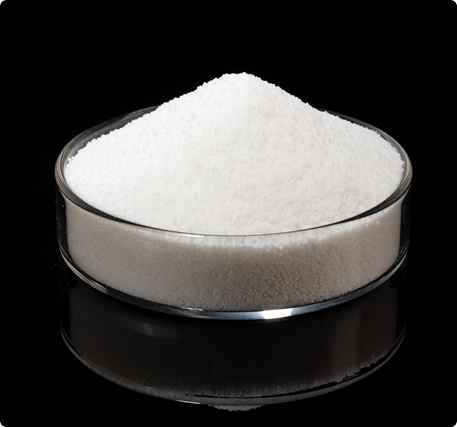
Calcium Stearoyl Lactylate is a white to light yellow powder or flakes with a mild odor. It is produced by the esterification of stearic acid and lactic acid, followed by the addition of calcium hydroxide. Its chemical properties are as follows: Chemical Formula: C48H86CaO12, Molecular Weight: 895.27 g/mol, E-Number: E482. Calcium Stearoyl Lactylate (CSL) is a versatile food additive used primarily as an emulsifier and stabilizer. It plays a crucial role in the production of various food products, including baked goods, dairy products, margarine, and processed meats.


What are the Benefits of Calcium Stearoyl Lactylate(CSL) in Food?


1.Enhanced Dough Quality: CSL improves the elasticity and strength of dough, making it more manageable during baking processes like shaping and proofing. This results in smoother dough that is easier to work with and yields baked goods with a consistent texture.

2.Improved Emulsification: As an emulsifier, CSL e482 ensures thorough blending of ingredients in baked goods, such as fats and liquids. This creates a uniform batter or dough, crucial for achieving even distribution of flavors and textures.

3.Texture and Volume: CSL emulsifier contributes to a finer crumb texture and enhances the volume of baked products like bread and cakes. It promotes better gas retention during baking, leading to products that are light and fluffy.

4.Moisture Retention: By retaining moisture in baked goods, Calcium Stearoyl Lactylate(CSL) helps prolong their freshness and softness. This is particularly important for maintaining product quality over time and reducing wastage.

5.Fat Reduction Potential: CSL can reduce the need for fats in recipes while maintaining desired texture and taste. This supports healthier product formulations without compromising on sensory appeal.

6.Extended Shelf Life: Through its ability to inhibit staling, Calcium Stearoyl Lactylate extends the shelf life of baked goods. This ensures that products remain fresh and enjoyable for longer periods after production.

7.Cost Effectiveness: CSL food additive can contribute to cost savings in food production by reducing the need for other stabilizers or emulsifiers. Its multifunctional properties allow for streamlined formulations and improved efficiency in manufacturing.

8.Regulatory Approval: CSL e482 has a long history of safe use in food products and is approved for use in various countries under regulatory guidelines. This makes it a trusted ingredient choice for food manufacturers seeking to meet regulatory requirements.


Calcium Stearoyl Lactylate(CSL) in bread

Applications of Calcium Stearoyl Lactylate(CSL) in Food


Baked Goods: Calcium Stearoyl Lactylate is commonly used in baked goods such as bread, cakes, and pastries. It acts as a dough conditioner, improving dough elasticity and handling properties. CSL also enhances the volume and texture of baked products, resulting in softer, finer crumbs.

Dairy Products: In dairy applications, CSL e482 functions as an emulsifier and stabilizer. It helps to blend ingredients smoothly in products like yogurt, ice cream, and cheese spreads, ensuring a creamy texture and uniform consistency.

Processed Meats: Calcium Stearoyl Lactylate CSL is used in processed meats, such as sausages and deli meats, to improve texture and moisture retention. It aids in achieving a uniform blend of fat and water, enhancing the product's juiciness and mouthfeel.

Sauces and Dressings: In sauces and dressings, CSL serves as an emulsifying agent to stabilize oil-in-water emulsions. This ensures that ingredients like oil, vinegar, and water remain evenly mixed, providing a consistent texture and appearance.

Healthier Formulations: CSL emulsifier can be used to reduce the fat content in certain food formulations without compromising taste or texture. This supports the development of healthier food options by lowering overall fat intake while maintaining sensory appeal.

Calcium Stearoyl Lactylate(CSL) in Food

Is Calcium Stearoyl Lactylate Vegan?


Calcium Stearoyl Lactylate (CSL) is generally considered vegan-friendly. It is derived from plant-based sources, specifically stearic acid (which can be sourced from vegetable oils) and lactic acid (often produced through fermentation of carbohydrates). These components are typically vegan as they do not involve animal-derived ingredients.


Conclusion


Calcium Stearoyl Lactylate is an effective and multifunctional food additive that enhances the quality and shelf life of various food products. Its ability to improve texture, stability, and moisture retention makes it a valuable ingredient in the food industry.


Calcium Stearoyl Lactylate (CSL) Manufacturer & Supplier


Discover Chemsino Team, your trusted partner in food emulsifiers! We specialize in producing a wide range of emulsifiers including CSL, SSL, DATEM, DMG, and MPG. Our products are certified Halal, Kosher, and ISO, ensuring the highest standards for your peace of mind.
Contact us today for more details and request free samples to experience the quality firsthand!
Related Blog
How Emulsifiers Contribute to the Shelf Life of Packaged Snacks
07 Feb 2025
In the world of packaged snacks, maintaining freshness, texture, and flavor throughout the product's shelf life is essential for consumer satisfaction. A crucial yet often overlooked component in achieving this goal is the use of emulsifiers. Emulsifiers are ingredients that help blend water and fat together, which, in turn, aids in stabilizing the product and enhancing its shelf life. In this article, we will explore the role of emulsifiers in extending the shelf life of packaged snacks, including how they work and which types are commonly used.
How to Slow Down Bread Staling and Extend Freshness
How to Slow Down Bread Staling and Extend Freshness?
28 Nov 2025
Bread staling is a common challenge in bakeries, causing dryness, firmness, and loss of freshness. Functional emulsifiers and enzyme systems, such as DMG, SSL, DATEM, and maltogenic amylase from Chemsino, help slow starch retrogradation, retain moisture, and maintain soft, appealing crumb. These solutions enable manufacturers to extend shelf life, improve product quality, and satisfy consumer expectations.
What to Know About Propylene Glycol in Foods
10 Apr 2024
Propylene glycol is produced industrially through the hydration of propylene oxide. It has almost no taste and is a chemically synthesized food additive, belonging to the alcohol class of substances, similar to ethanol. Propylene glycol e1520 is widely used in various industries such as food, pharmaceuticals, cosmetics, tobacco, and others. This is because it possesses properties like stabilizing, solidifying, anticaking, defoaming, emulsifying, humectant, and thickening. These properties make it valuable for a range of applications in these industries.
Start earning substantial
profits in your country today!
Email
Whatsapp