Home
Products
Emulsifier List
Application
Gallery
News
Blog
About Us
About Us
Contact Us
Your Position : Home > Blog

What Is The Role of Datem In Bread

Date:2024-01-12
Read:
Share:
DATEM (diacetyl tartaric acid ester of mono- and diglycerides, also E472e), is a popular food emulsifier commonly used in bread to strengthen the gluten network in dough. Besides, the Datem emulsifier has functions of improving dough handling, texture, and shelf life of various baked goods. In this article, we explore the fascinating role of Datem in the art and science of bread making.  


What is Datem?


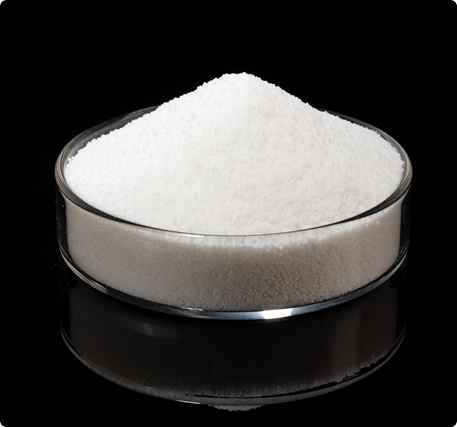
Datem stands for Diacetyl Tartaric Acid Esters of Monoglycerides. It is a cream to light yellow powder. Its EEC NO. E472e, and CAS NO. 100085-39-0. Datem is an emulsifier commonly used in the food industry, particularly in baking. Emulsifiers are substances that help mix ingredients that do not normally combine well, such as water and oil. Datem is derived from tartaric acid and monoglycerides and is known for its emulsifying properties.

datem emulsifier powder


Why is Datem e472e Necessary in Bread?


In bread, Datem e472e plays a crucial role in improving dough handling, texture, and shelf life of the final product. It acts as a dough conditioner, making the dough more manageable and less sticky. Datem emulsifier also contributes to the creation of a finer crumb structure in baked goods, resulting in a softer and more appealing texture. Additionally, it helps prevent ingredient separation and staling, thus extending the shelf life of the products.


What is Datem Made From?  


Datem, or Diacetyl Tartaric Acid Esters of Monoglycerides, is derived from a combination of tartaric acid and monoglycerides. Monoglycerides are compounds formed from glycerol and fatty acids. In the case of Datem, these monoglycerides are typically sourced from vegetable oils. Tartaric acid, on the other hand, is a natural acid found in grapes and some other fruits.

The manufacturing process involves the reaction of tartaric acid with monoglycerides to form Diacetyl Tartaric Acid Esters of Monoglycerides.


The Application of Datem in Bread


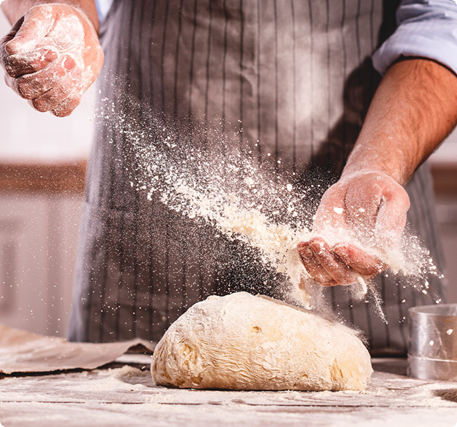
DATEM emulsifier serves a fundamental role when incorporated into yeast-fermented wheat flour dough. Its primary function lies in swiftly and comprehensively binding with the hydrated gluten bundle, fortifying the gluten network to enhance both strength and extensibility. This interaction results in a refined bubble network characterized by small pore size, robust bubble walls, and superior extensibility. Consequently, the dough becomes less sensitive to variations in kneading time, and a direct relationship is observed between the amount of added DATEM and increased gas retention. The addition of DATEM proves particularly advantageous when the flour's protein content is insufficient or of suboptimal quality, ensuring stability during the final proofing stage. This not only facilitates a reasonable oven surge but also contributes to bread with heightened specific volume and enhanced uniformity after baking. Typically, DATEM is added in the range of 0.1-0.3% of the total flour quantity.

In the realm of high-quality bread flour, DATEM's impact becomes even more pronounced. It plays a crucial role in improving air retention, especially during the initial stages of transitioning low-density dough from fermentation to the oven and baking. Additionally, for bread requiring extended proofing times, DATEM provides fermentation stability over 2-16 hours at lower temperatures, demonstrating resilience under prolonged and fluctuating fermentation conditions. Beyond its applications in traditional bread, DATEM is strategically employed in whole wheat bread and bread containing nuts. This is due to its ability to counteract the disruptive influence of bran particles, wheat chips, and nuts on the dough, ensuring overall stability in the baking process.

Apart from used in bread, datem food emulsifier is also widely used in cake, biscuits, cookies, sweet dough, pastry, donuts, coffee whitener, whipped toppings, cheese, soups, dressings, ice cream, beverages, sauces, etc.

What Is The Role of Datem In Bread

Frequently Asked Questions about Emulsifier Datem


Is Datem Halal?

Certainly, DATEM is considered halal as it adheres to the policy that dictates materials should not be sourced from pork or its derivatives, alcoholic beverages (Khamr) or their derivatives when physically separated from Khamr, blood, carrion, or parts of a human body. Several Chinese manufacturers like Chemsino have obtained certification from MUI (Majelis Ulama Indonesia) for their DATEM products, affirming their compliance with halal standards. 
 

Is Datem Kosher?

Yes, it is Kosher from Henan Chemsino Industry Co., Ltd. All our food emulsifiers enjoy Halal, Kosher, ISO9001, ISO22000, and RSPO certificates.


Is Datem Vegan?

Yes, DATEM is classified as vegan, given its production through chemical synthesis. Both the raw materials and the manufacturing process are devoid of any involvement with animal matter or products derived from animals. Consequently, it is regarded as vegan-friendly and can be seamlessly incorporated into the dietary choices of vegetarians.


Conclusion


With remarkable properties of enhancing dough handling, enhancing texture, and extending the shelf life of breads, Emulsifier Datem e472e is an invaluable ally in the world of bread making. As the baking industry continues to evolve, Datem remains a reliable ally for bakers and food manufacturers, contributing to the creation of delightful and consistently high-quality baked goods.

We provide a full range of Datem products, such as Datem 80, Datem 100, and Datem high acid value. Welcome to reach out to us for the latest prices and free samples.  
Related Blog
Top 5 Food Emulsifiers for Confectionery Production 
20 Sep 2024
Emulsifiers for confectionery is highly important to ensure smooth textures, stability, and shelf life for creating excellent sweets, chocolates, and baked goods. These additives help blend ingredients like fats, oils, and water, which would otherwise separate. Choosing the right food emulsifier is critical for producing consistent, delicious, and long-lasting confectionery products. In this article, we'll explore the top 5 emulsifiers used in confectionery production, their benefits, and how they enhance the quality of various confectionery products. 
Which Emulsifier Can Help with Shelf Life and Freshness
29 Nov 2024
In food production, extending shelf life and maintaining freshness are critical goals for manufacturers. Emulsifiers play a significant role in achieving these objectives by stabilizing formulations, retaining moisture, and preventing ingredient separation. Here, we explore some of the most effective emulsifiers for enhancing shelf life and freshness across various food applications.  
Boosting Bread Quality with Emulsifiers and Fungal Amylase
20 Aug 2025
Emulsifiers and fungal amylase are essential ingredients in modern bread making, working together to improve dough handling, texture, volume, and freshness. From pan bread and frozen dough to whole grain and artisan loaves, the right blend of emulsifiers and enzymes helps bakeries deliver consistent, high-quality bread while reducing costs. Chemsino provides premium emulsifiers and enzymes tailored for industrial and artisan baking needs.
Start earning substantial
profits in your country today!
Email
Whatsapp